
Elite Dallas Art Handlers: Museum-Grade Fine Art Moving & Installation
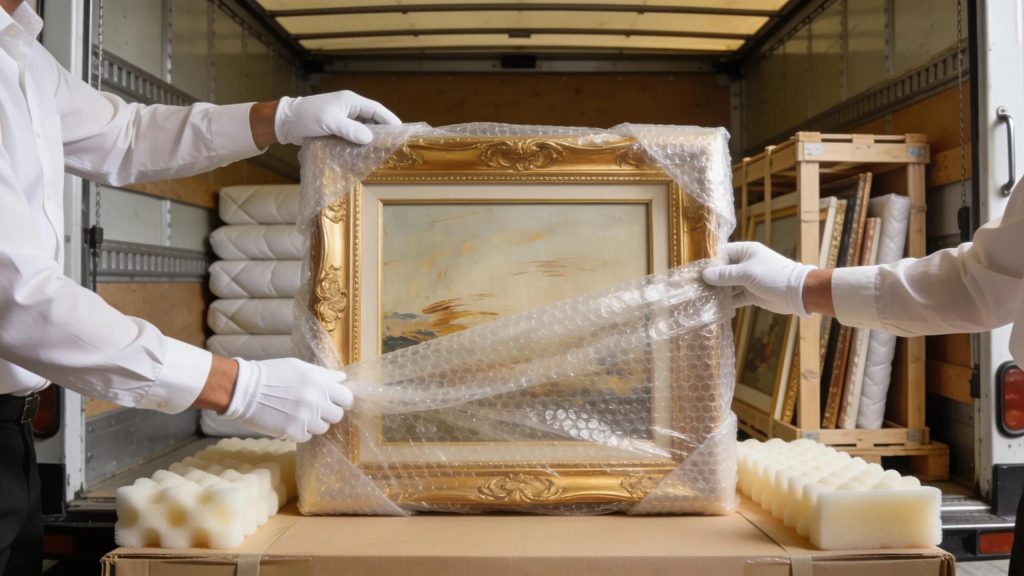
Elite Dallas Art Handlers: Museum-Grade Fine Art Moving & Installation Services for Secure Art Logistics
By Jamie Furrate, Curtis Specialized Moving & Storage
In a world where the integrity of fine art is paramount, the role of expert art handlers becomes increasingly crucial. Elite Dallas art handlers specialize in museum-grade fine art moving and installation services to ensure that valuable artworks are transported and displayed securely. This article explores the complexities of secure art logistics, covering essential packing and transportation techniques that protect artwork from potential damage during moves. The art logistics industry often faces challenges such as fragile items needing specialized handling and climate control, and this guide will address these concerns comprehensively.
By the end of this article, readers will gain insight into the best practices within the realm of fine art logistics, along with crucial details about custom crating, climate-controlled transport, and the importance of expert handling. Whether looking to understand museum-quality moving services or discover what solutions are available for the unique needs of art collectors, the information within is designed to serve both prospective clients and industry professionals.
Importance of Secure Art Logistics
Secure art logistics refers to the specialized processes involved in the handling and transportation of fine art. This field is essential for protecting valuable artworks from damage, theft, or deterioration. The integrity of artworks can be compromised during transit if proper techniques are not employed, which is why specialized art logistics ensures that each piece is given the utmost care. Using secure methods helps maintain the aesthetic and monetary value of each artwork.
Art logistics encompasses a range of practices, including temperature control, customized crating, and specialized handling procedures. The goal is to mitigate risks associated with moving delicate items. Recognizing the importance of secure logistics leads to a deeper understanding of the techniques required for safe art transportation.
Techniques for Packing and Transportation
When it comes to ensuring the safe transit of fine art, several essential techniques are employed. Each technique caters to the unique requirements of different artworks, emphasizing the importance of tailored approaches in the art logistics industry.
Custom Crating
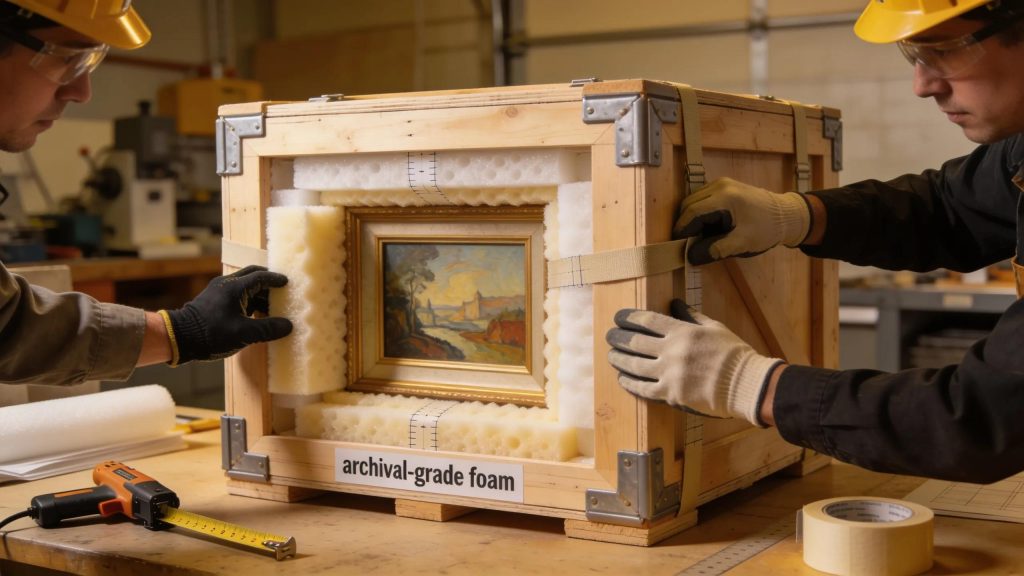
Custom crating is a critical technique used in art logistics, as it involves designing boxes specifically tailored to each artwork. This personalized approach ensures that artworks are cushioned adequately to prevent movement and potential damage during transit. High-quality materials, such as foam inserts and reinforced structures, are often utilized to safeguard valuable pieces.
By employing custom crating, art handlers can create a secure environment that reduces the risk of physical harm during transport. This technique is particularly essential for fragile items, ensuring that each piece arrives in pristine condition.
Climate-Controlled Transport
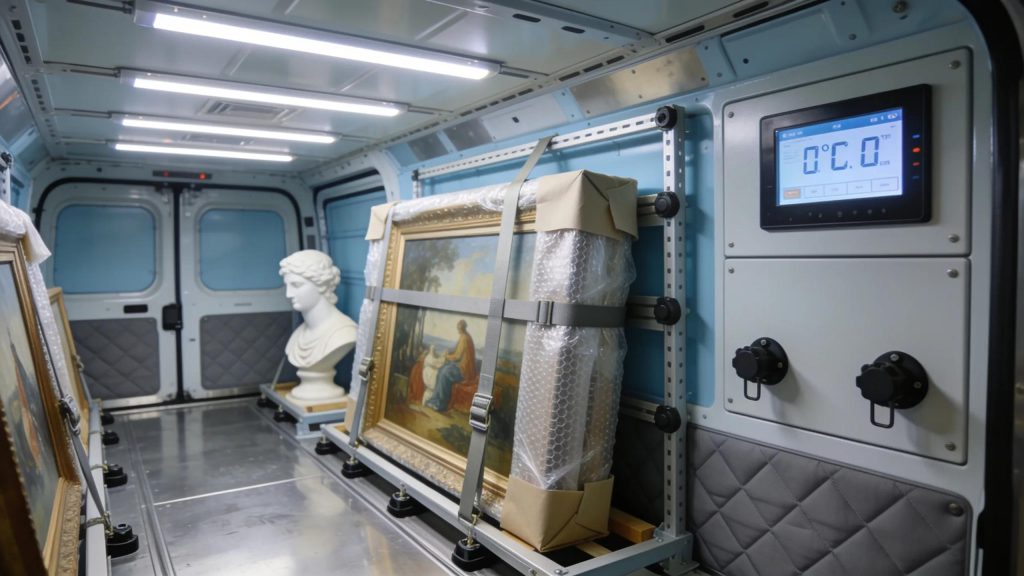
Climate-controlled transport refers to the transportation of fine art within vehicles that maintain consistent temperature and humidity levels. This method is vital for protecting sensitive artworks from environmental conditions that could lead to deterioration. Excessive heat or humidity can cause damages such as warping, fading, or mold growth.
Maintaining stable climate conditions during transit reduces the risk of environmental damages, preserving the integrity of each piece. Art handlers equipped with climate-controlled transport systems provide a level of assurance that artworks will remain unaffected by external conditions throughout their journey.
Specialty Packing Materials
Specialty packing materials are essential in the transportation of fine art to enhance protection further. These materials can include acid-free papers, bubble wrap, and shock-absorbent films, all specifically chosen to minimize any potential impact during handling or transport.
Using the right packing materials can prevent scratches, dents, and other forms of damage that can occur if standard materials are used. Hence, selecting the appropriate specialty packing supplies is crucial in safeguarding artworks during their movement.
Expert Handling
Expert handling of fine art is imperative for ensuring that artworks are treated with the care and respect they deserve during transportation. Qualified art handlers undergo specialized training to learn how to lift, carry, and organize artworks securely. This expertise minimizes the risk of accidents and damage during moves.
Trained professionals understand the nuances of dealing with fragile and valuable items, making their role critical in the logistics process. Their experience allows them to adapt to various circumstances, ensuring the highest level of care is provided when managing fine art.
Customer Testimonials
Customer feedback plays a significant role in validating the effectiveness of art moving services. Positive testimonials often highlight key aspects such as professionalism, care in handling, and the seamless execution of logistics plans. Clients appreciate the attentive service and expertise that art handlers bring to the moving process, resulting in successful relocations of valuable collections.
The focus on customer satisfaction often influences the reputation of art logistics providers, reinforcing the importance of maintaining high standards of service and care in the industry.
What Are Museum-Quality Fine Art Moving Services in Dallas?
Museum-quality fine art moving services are tailored to meet the unique needs of galleries, museums, and private collectors in Dallas. These services encompass comprehensive offerings that include crating, transport, and on-site installation, specifically designed to uphold the highest standards of art handling.
Art logistics providers ensure that each piece is moved with meticulous attention to detail, placing significant emphasis on maintaining the integrity of the artwork throughout the entire moving process. This commitment to quality is essential for any art handling service, particularly in a city like Dallas, where the art community is vibrant and diverse.
What Custom Crating and Packing Solutions Are Used for Fine Art?
Art logistics professionals employ various custom crating and packing solutions designed specifically for different types of artworks. These solutions prioritize safety and security during transit.
Custom crates are built to accommodate the unique proportions and shapes of individual pieces, utilizing materials that ensure maximum protection. The application of techniques such as double-boxing can also be beneficial in providing an extra layer of security for more delicate items.
Utilizing tailored solutions ensures that all artworks conform to specific packing requirements, reducing the risk of damage during handling or transport.
How Does Climate-Controlled Art Transportation Protect Valuable Collections?
Climate-controlled art transportation protects valuable collections from environmental factors that can lead to deterioration. By controlling temperature and humidity levels, art handlers can create a stable environment that mitigates risks associated with fluctuations in conditions.
This practice is particularly vital for sensitive materials that may warp, crack, or fade when exposed to poor conditions. The preservation of artworks through climate-controlled transport emphasizes the importance of specialized logistics in art handling.
Why Is Climate Control Critical for Sensitive Fine Art Shipments?
Climate control is critical for sensitive fine art shipments because fluctuations in temperature and humidity can lead to irreversible damage. Maintaining a consistent environment is essential for preventing issues such as mildew growth or physical distortions in the artwork.
Art handlers employ climate control technologies within their transport vehicles to ensure sensitive items remain unaffected throughout transit. By understanding the importance of these mechanisms, collectors can appreciate their significance in safeguarding precious artworks.
Who Are the Professional Art Handlers and Installation Experts in Dallas?
In Dallas, professional art handlers and installation experts are trained individuals specializing in the movement and installation of fine art. Their expertise encompasses various aspects of logistics and installation, including the proper use of tools and techniques required for delicate artworks.
Art handlers undergo rigorous training to ensure they experience the nuances involved in safely moving art collections. These professionals are essential for ensuring that artworks are installed correctly and securely in their new locations, minimizing risks associated with improper handling.
How Are On-Site Installation Services Tailored to Each Artwork?
On-site installation services are customized based on the individual characteristics of each artwork. Art handlers assess various elements such as weight, structure, and fragility to determine the best installation method.
This personalized approach ensures that artworks are displayed optimally, aligning with both aesthetic considerations and safety requirements. By focusing on tailored installations, professionals guarantee the long-term preservation and presentation of each piece.
What Are the Best Practices for Museum-Grade Fine Art Crating and Packing?
Best practices for museum-grade fine art crating and packing include the use of high-quality materials, meticulous attention to detail, and adherence to established protocols. Art handlers follow these key guidelines to ensure that artworks are protected during transport.
- Material Selection: Use acid-free and archival-quality materials to prevent any chemical reactions with the artwork.
- Cushioning: Ensure that each piece is cushioned adequately to prevent movement within its crate during transit.
- Layering: Implement a layered approach to packing which includes various protective materials to absorb shock and impacts.
These practices are essential for ensuring that each artwork arrives at its destination in excellent condition, safeguarding its value and integrity.
Which Packing Materials Provide Maximum Protection and Stability?
The selection of packing materials plays a significant role in providing maximum protection and stability for fine art during transportation. Here are some key materials commonly utilized in the art logistics industry:
- Foam Inserts: High-density foam is used for custom cushioning that molds around the artwork, preventing movement.
- Shock-Absorbent Films: These thin layers add additional protection against impact without adding bulk.
- Acid-Free Paper: This material is utilized to wrap delicate surfaces to prevent chemical damage.
Using the right combination of these materials allows art handlers to create a protective environment that reduces the risk of damage during shipping.
How Do Art Collection Logistics and Security Services Support Dallas Clients?
Art collection logistics and security services in Dallas provide essential support to clients managing valuable or sensitive artworks. These services include safe transport arrangements, inventory management, and secure storage options, emphasizing the importance of comprehensive logistics strategies.
Art handlers take proactive measures to protect and manage collections efficiently, ensuring that each piece remains secure at all times. This aspect of logistics not only improves the handling process but also instills confidence in art owners regarding the safety of their investments.
How Is Art Inventory Managed to Ensure Accountability and Tracking?
Art inventory management is crucial for ensuring accountability and tracking throughout the moving process. This practice involves meticulous record-keeping and regular audits to verify the location and condition of each piece.
Art handlers utilize specialized software and methodologies to track artworks during transport, allowing for real-time updates and easy access to data. This systematic approach ensures that clients are informed about their collections’ status at all times, thus enhancing trust and transparency.
What Frequently Asked Questions Do Clients Have About Fine Art Moving in Dallas?
Clients often have various questions about fine art moving services, particularly regarding logistics, security, and handling techniques. Some common inquiries include:
- What measures are in place to protect my artwork during transport?Art handlers will use customized packing and climate-controlled transport to safeguard items.
- How do I schedule my move and what are the timelines?Clients are encouraged to schedule their moves well in advance to allow for proper planning and execution.
- Are the personnel handling my art trained professionals?Yes, all handlers undergo training to specifically manage the needs of fine art during moves.
These questions highlight the need for detailed communication and education in the art logistics process, guiding clients through their unique journeys.
When Should Clients Schedule Professional Art Moving and Installation Services?
Clients should schedule professional art moving and installation services as early as possible to accommodate their unique needs and timelines. Proper scheduling allows for logistical planning, including the custom crating and climate-controlled transportation required for valuable artworks.
Advising clients on optimal moving dates ensures that all necessary precautions are taken to prevent any damage during the transition process. Early scheduling also aids in avoiding last-minute complications, ensuring a smoother art relocation experience.